Genel
-
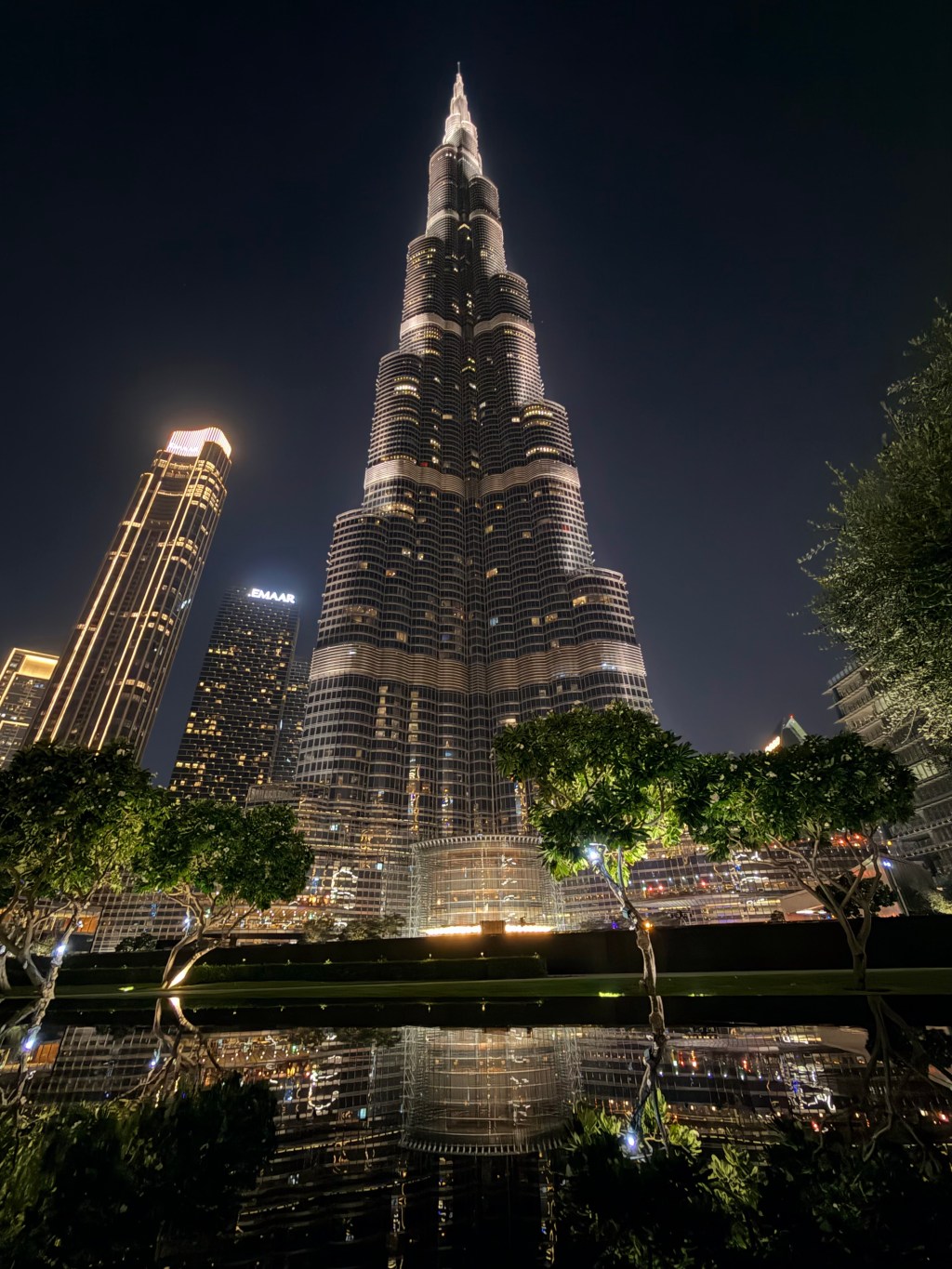
How should the power of a city be measured? By its population? Its economy? Its capacity to function as a financial center? Or by how visible it is to the rest of the world? Dubai offers an unusual answer to this question. When we look at Dubai, we do not simply see a city. We…
-
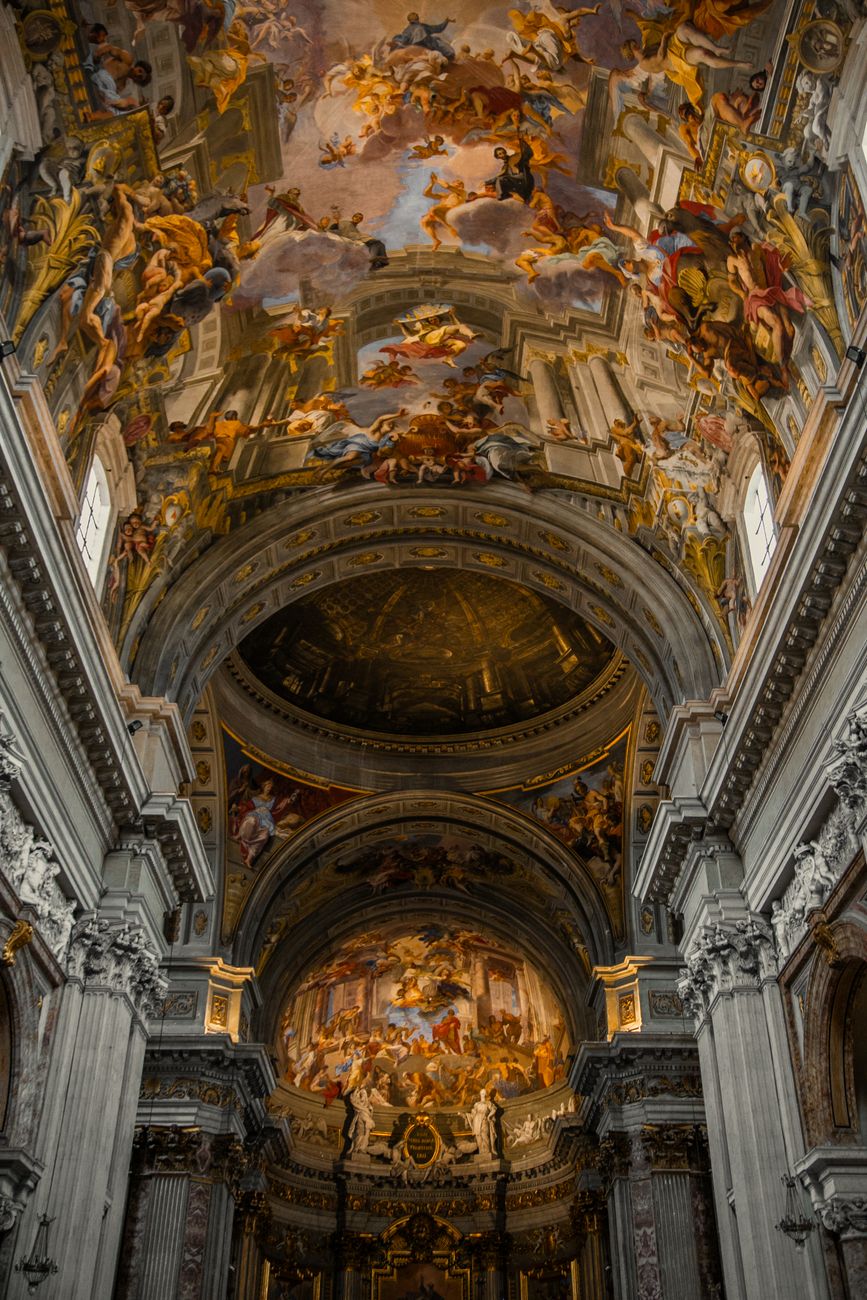
Antik Roma’da, serveti ve gösterişiyle tanınan azatlı Trimalchio’nun verdiği görkemli ziyafetlerde masalar kurulur, yemekler getirilir, şaraplar sunulur; hizmetçiler birbiri ardına tabaklar taşır, konuklar yer, içer, Trimalchio’nun servetini sergileyen bu gösteriyi izlerdi. Petronius’un Satyricon‘unda anlatılan bu ziyafetler, zenginliğin neredeyse bir gösteri sanatına dönüştüğü taşkın sofralardı. Ziyafetlerin birinde boyunlarına etiketler asılmış büyük şarap şişeleri getirildi. Etiketlerde şarabın…
-
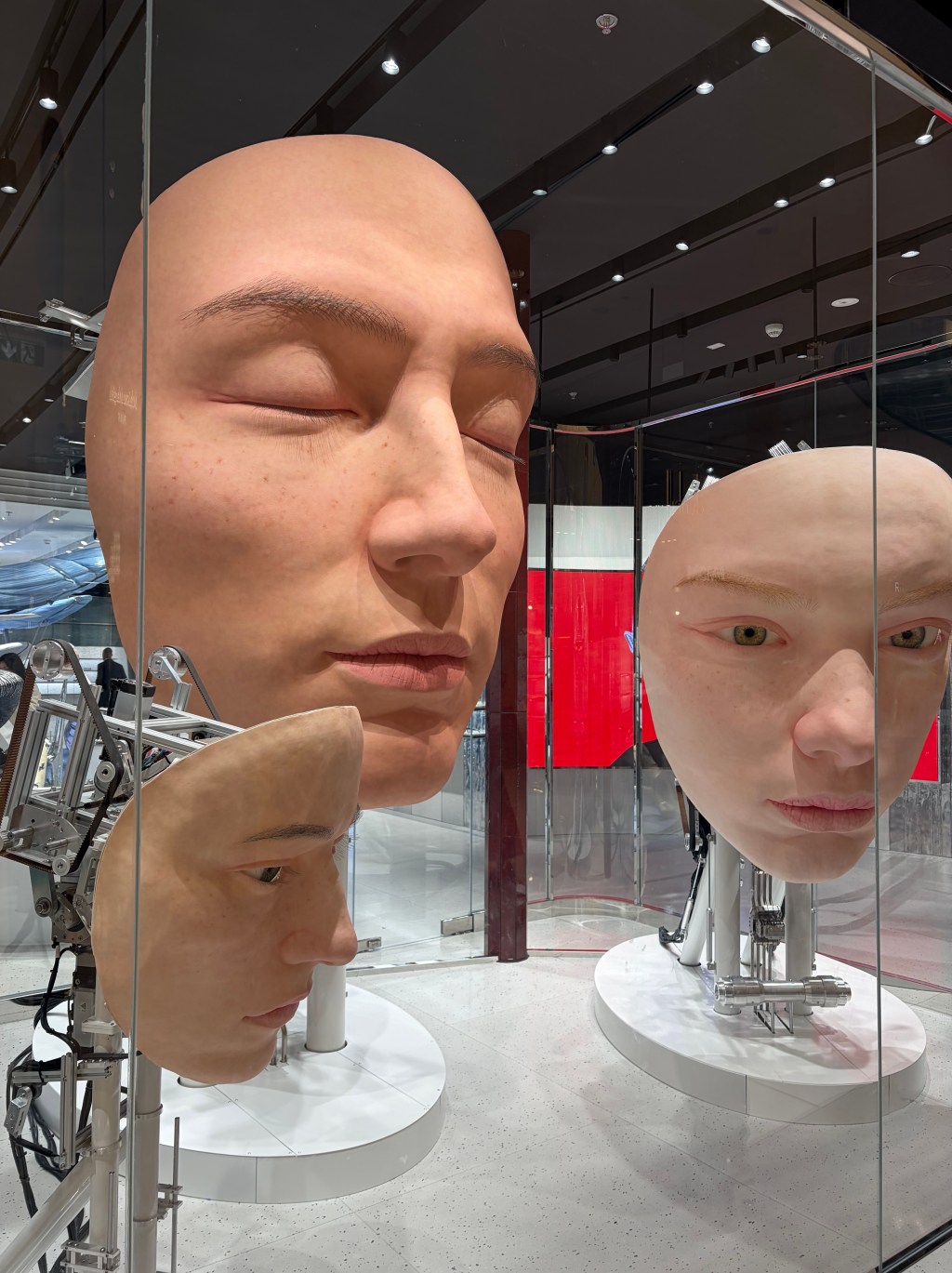
18 Kasım 1883. Amerika Birleşik Devletleri’nde o gün milyonlarca insan saatini yeniden ayarladı. Demiryolları ülkeyi birbirine bağlıyordu. Fakat her şehrin kendi yerel saatini kullanması, trenlerin aynı çizelgeye göre hareket etmesini giderek zorlaştırıyordu. Bir şehirde öğlen olan saat, birkaç kilometre ötede henüz öğlen olmayabiliyordu. Demiryolları için bu küçük farklar artık yalnızca bir merak konusu değildi; seferlerin…
-
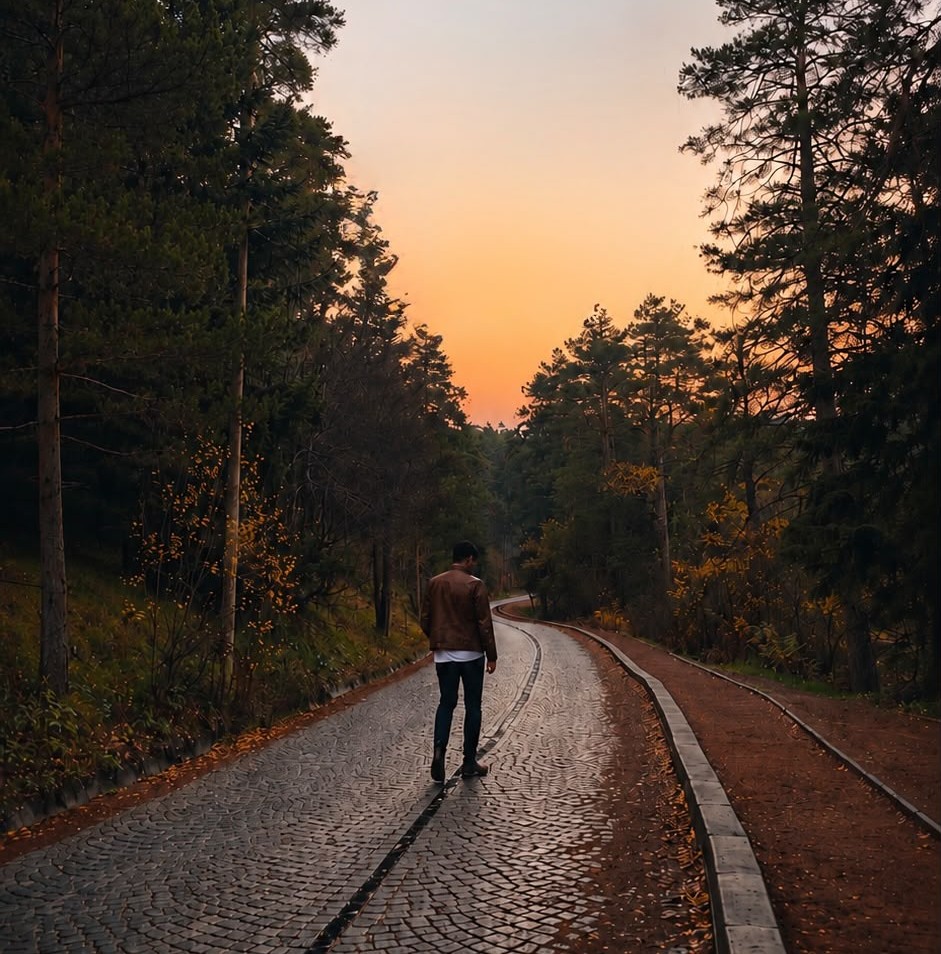
Shinrin-yoku (森林浴) 1982 yılında Japonya’da kamu kurumları yeni bir kavramı kullanmaya başladı: Shinrin-yoku (森林浴). Türkçeye genellikle “orman banyosu” olarak çevrilen bu ifade, ilk bakışta şiirsel bir metafor gibi görünse de aslında bir halk sağlığı yaklaşımını tanımlıyordu. O yıllarda Japonya, hızlı kentleşmenin ve yoğun çalışma kültürünün etkilerini yaşamaya başlamıştı. Uzayan çalışma saatleri, artan stres ve şehir…
-
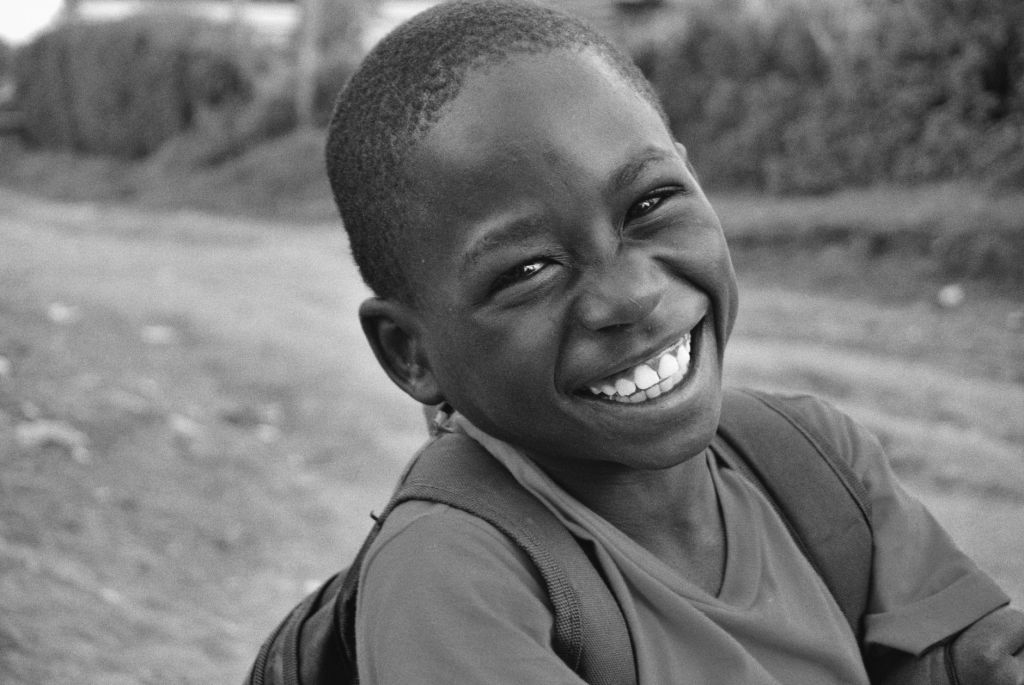
İnsan yalnızca hasta olmamayı mı hedeflemelidir, yoksa iyi bir yaşam sürmeyi de öğrenebilir mi? Sanayi Devrimi’nden bu yana insanlık, tarihin en büyük ekonomik ve teknolojik dönüşümlerinden birini yaşadı. Ortalama yaşam süresi uzadı, sağlık hizmetleri gelişti, bilgiye erişim kolaylaştı ve birçok toplumda maddi refah önemli ölçüde arttı. Buna rağmen depresyon, kaygı bozuklukları, yalnızlık, tükenmişlik ve bağımlılıklar…
-
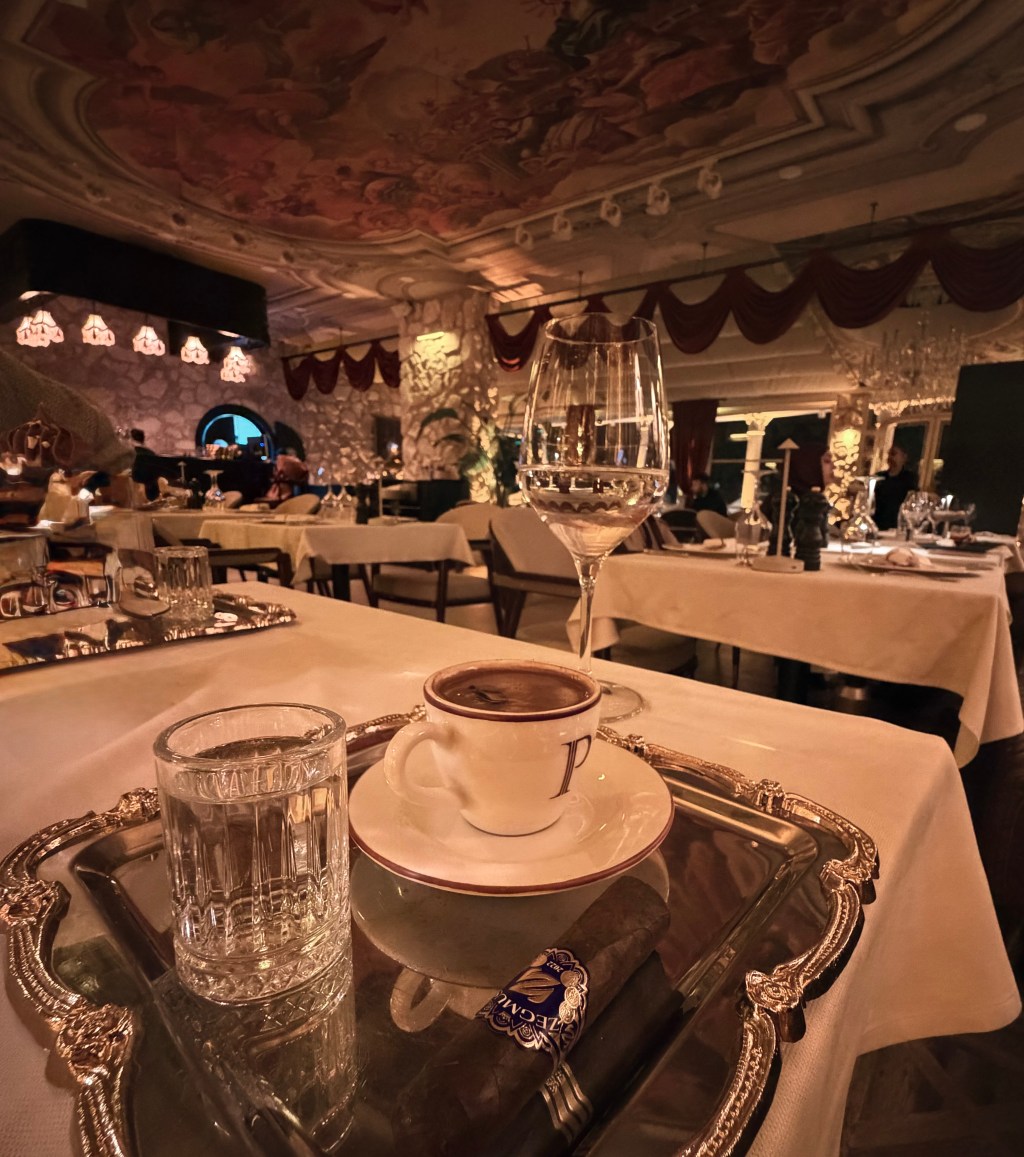
Ev… İş… Peki ya üçüncü mekân? Sosyolog Ray Oldenburg, insanların yalnızca yaşadığı ve çalıştığı yerlerin dışında bir yere daha ihtiyaç duyduğunu söyler. Ev birinci mekândır. İş ikinci. Bunların arasında ise insanların düşünmek, tartışmak, dostluk kurmak ve birbirlerinden öğrenmek için bir araya geldiği üçüncü mekânlar vardır. 17. yüzyıl Londra’sında kahvehaneler, üçüncü mekân fikrinin en dikkat çekici…
-
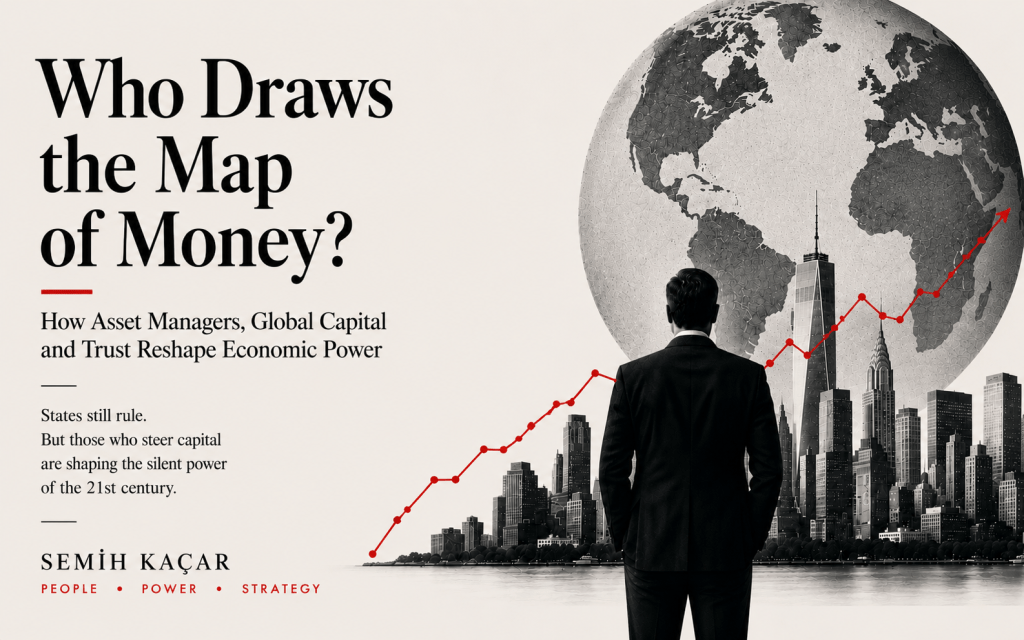
The 2008 global financial crisis did far more than bring banks to the brink of collapse. It reshaped the architecture of global economic power. Lehman Brothers failed. Credit markets froze. The world economy was hit by its most severe financial shock since the Second World War. Yet the crisis transformed more than the financial system…
-

Μεταξύ χρόνου και καιρού, νόημα. The ancient Greeks used two different words for time. The first was Chronos, from which the English word chronology is derived. Chronos is the time measured by clocks and calendars. It moves relentlessly forward. We are born. We grow. We age. Seasons change, years pass, and life unfolds. Chronos never…
-
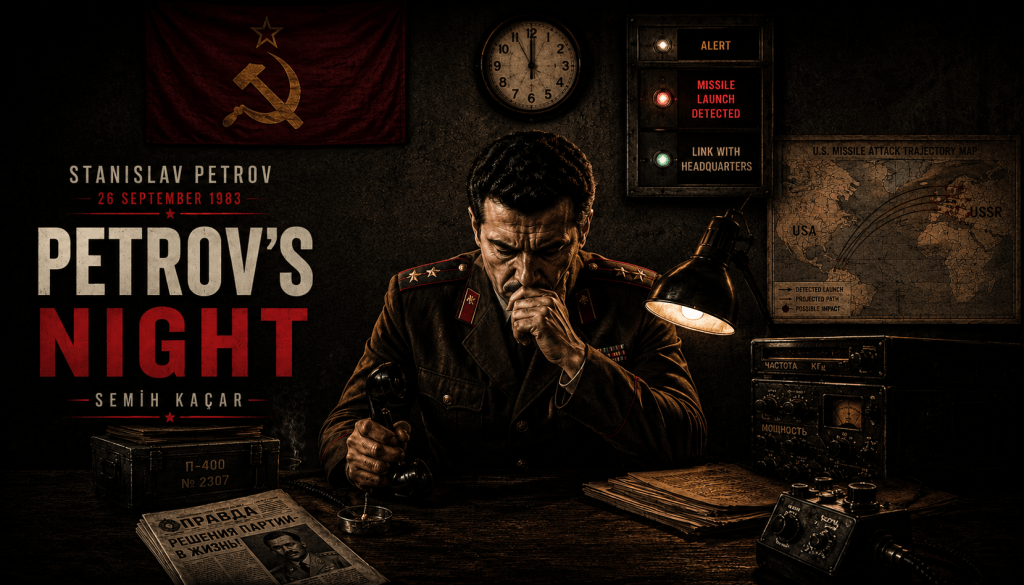
September 1983. The world was passing through one of the most perilous moments of the Cold War. U.S. President Ronald Reagan had publicly branded the Soviet Union the “Evil Empire,” and whatever remained of mutual trust between the two superpowers had all but disappeared. The stability of nuclear deterrence depended not merely on the existence…
-
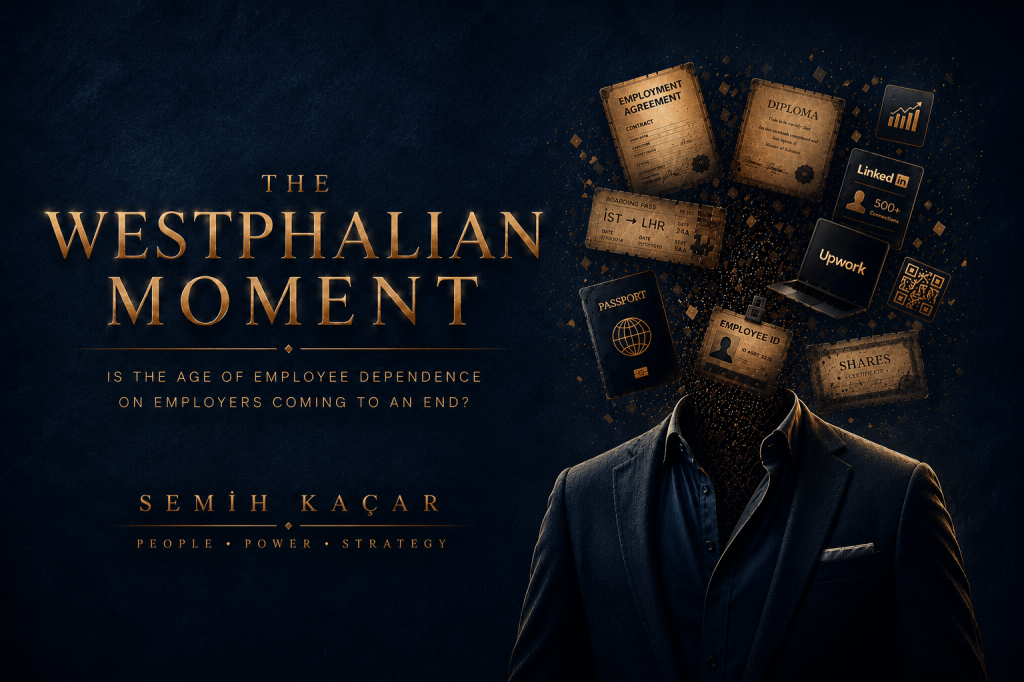
The significance of the Peace of Westphalia, signed in 1648, lies in more than its role in ending the Thirty Years’ War. What made it a genuine historical turning point was the recognition that the existing political order could no longer accommodate a new reality, making the construction of a new order both necessary and…
 Semih kaçar